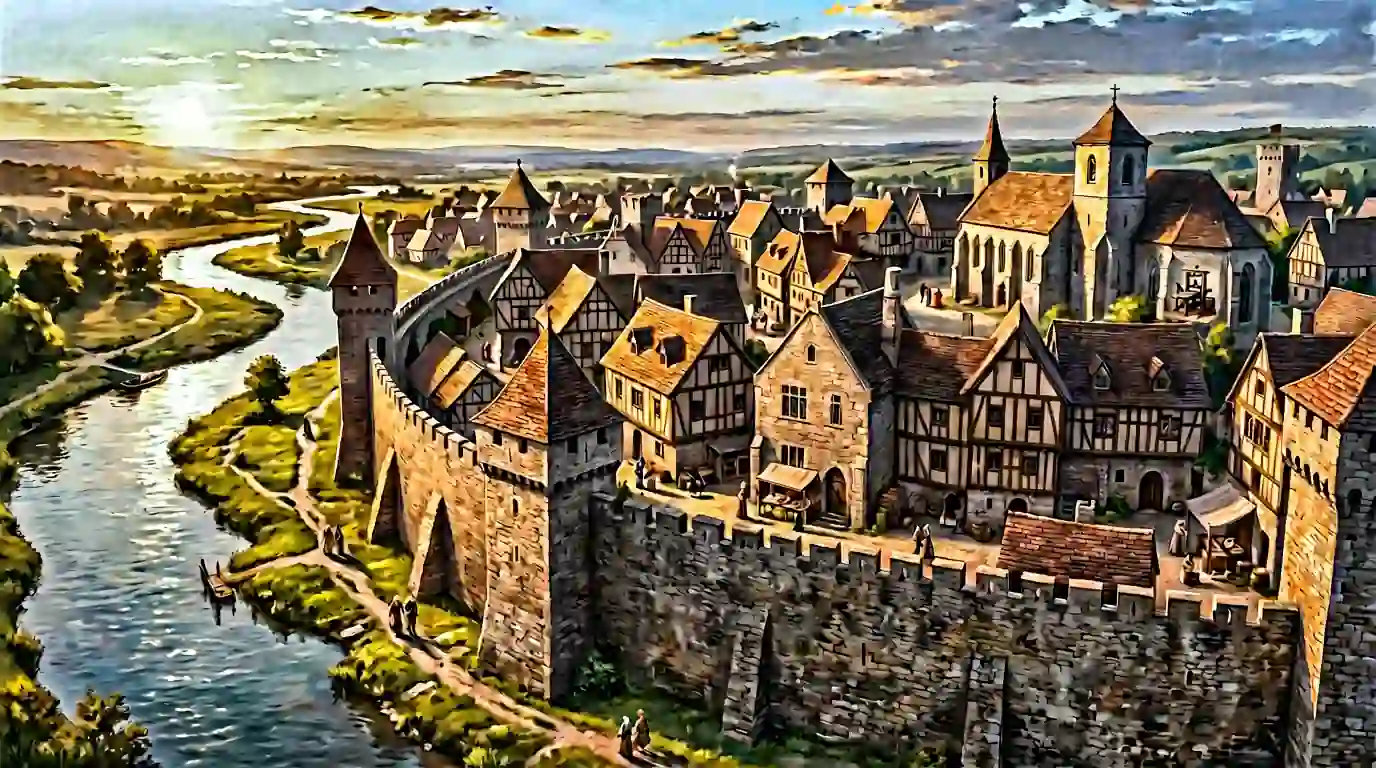
Chapter I
The Fall of Rome and the Birth of a Dark World
سقوطِ روم اور ایک تاریک دنیا کا جنم
The sun did not set on the Roman Empire with a sudden crash, but rather with a long,
agonizing rattle in the throat of a dying giant. For centuries, the Mediterranean had been a Roman lake,
a world of paved roads, marble forums, and the predictable rhythm of law. But by the fifth century, that
rhythm had fractured into a discordant scream. Imagine the psychological trauma of a civilization
realizing that the eternal city was no longer eternal. The stone walls that had protected generations
were crumbling under the weight of internal rot and the relentless pressure of those the Romans called
barbarians. As the central authority evaporated, the very concept of safety vanished with it. The
complex systems of trade that brought grain from Africa and tin from Britain collapsed, leaving behind a
terrifying silence. The sophisticated Roman citizen, once concerned with philosophy and politics, was
suddenly reduced to a primal state of existence where the only currency that mattered was bread and a
sharp blade. This was not merely a political transition; it was the shattering of the human psyche. The
light of classical antiquity was being choked out by a rising tide of uncertainty, and in its place, a
cold, predatory darkness began to settle over the European continent.
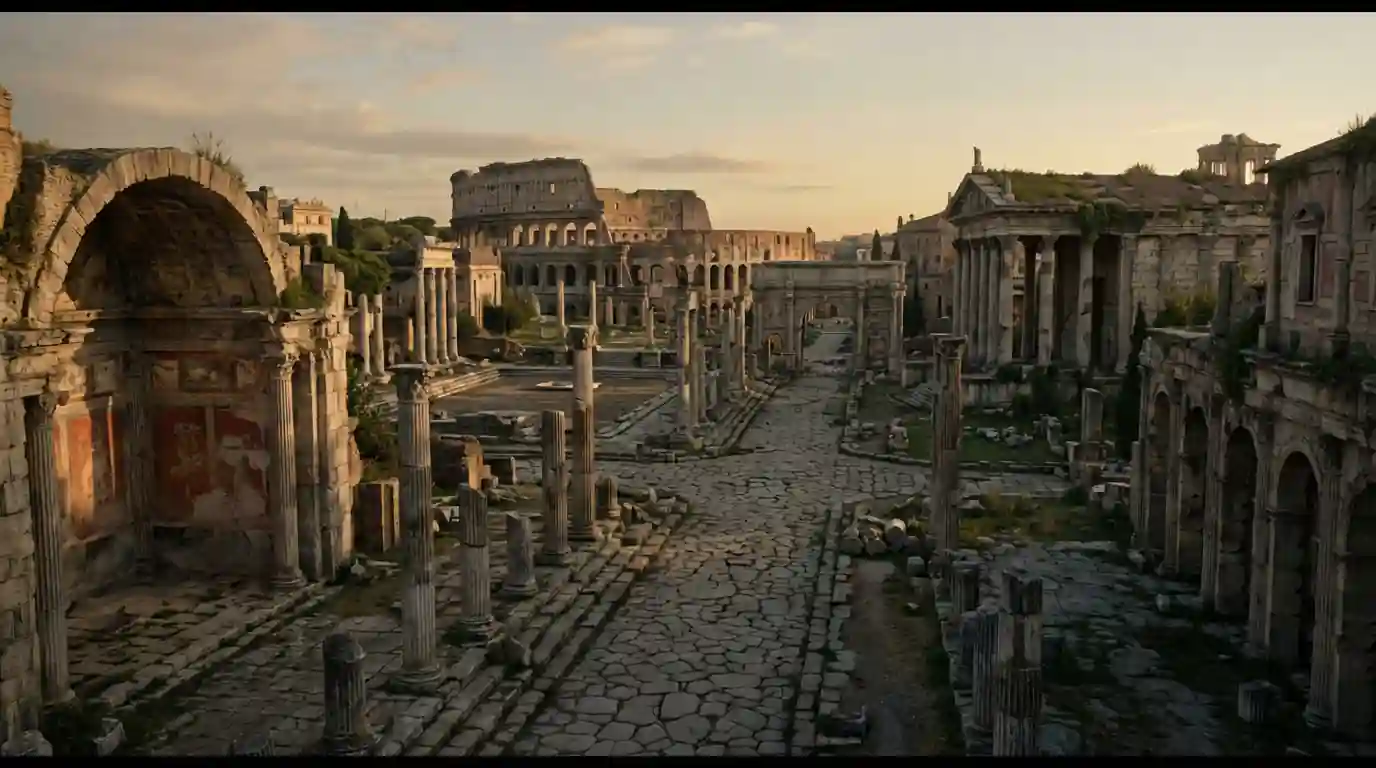
"Rome, once a metropolis of a million souls, became a ghostly graveyard of marble where goats grazed
in the ruins of the Senate."
The psychological weight of this collapse cannot be overstated. When the Goths and
Vandals breached the gates, they did not just loot gold; they looted the sense of order that held the
known world together. Families who had lived for generations under the protection of the legions now
looked toward the horizon with a paralyzing dread, watching the smoke of burning villas rise against the
twilight. The infrastructure of the mind broke down alongside the aqueducts. Without the Roman state,
there were no courts to settle disputes, no soldiers to guard the roads, and no steady supply of food to
the teeming cities. Rome, once a metropolis of a million souls, became a ghostly graveyard of marble
where goats grazed in the ruins of the Senate. The people who remained were survivors in a
post-apocalyptic wasteland, stripped of their identity as citizens and forced to become shadows. Fear
became the primary architect of the new world. It was a fear of the forest, a fear of the night, and a
fear of the stranger. This vacuum of power birthed a desperate need for protection at any cost, setting
the stage for a thousand years of servitude.
As the old gods of Rome were cast down and the temples fell into disrepair, a new
spiritual desperation took hold. The physical world had become a place of violence and unpredictability,
causing the human gaze to shift inward and upward toward the heavens. The rise of Christianity during
this period of decay offered a narrative of suffering and redemption that mirrored the agony of the era.
The world was seen as a fallen place, a testing ground of misery where the only hope lay in the
afterlife. This shift in consciousness was profound. The civic pride of the Roman era was replaced by a
somber preoccupation with the soul and the terrifying prospect of eternal damnation. The church began to
emerge as the only institution capable of providing a skeleton for this broken society, filling the void
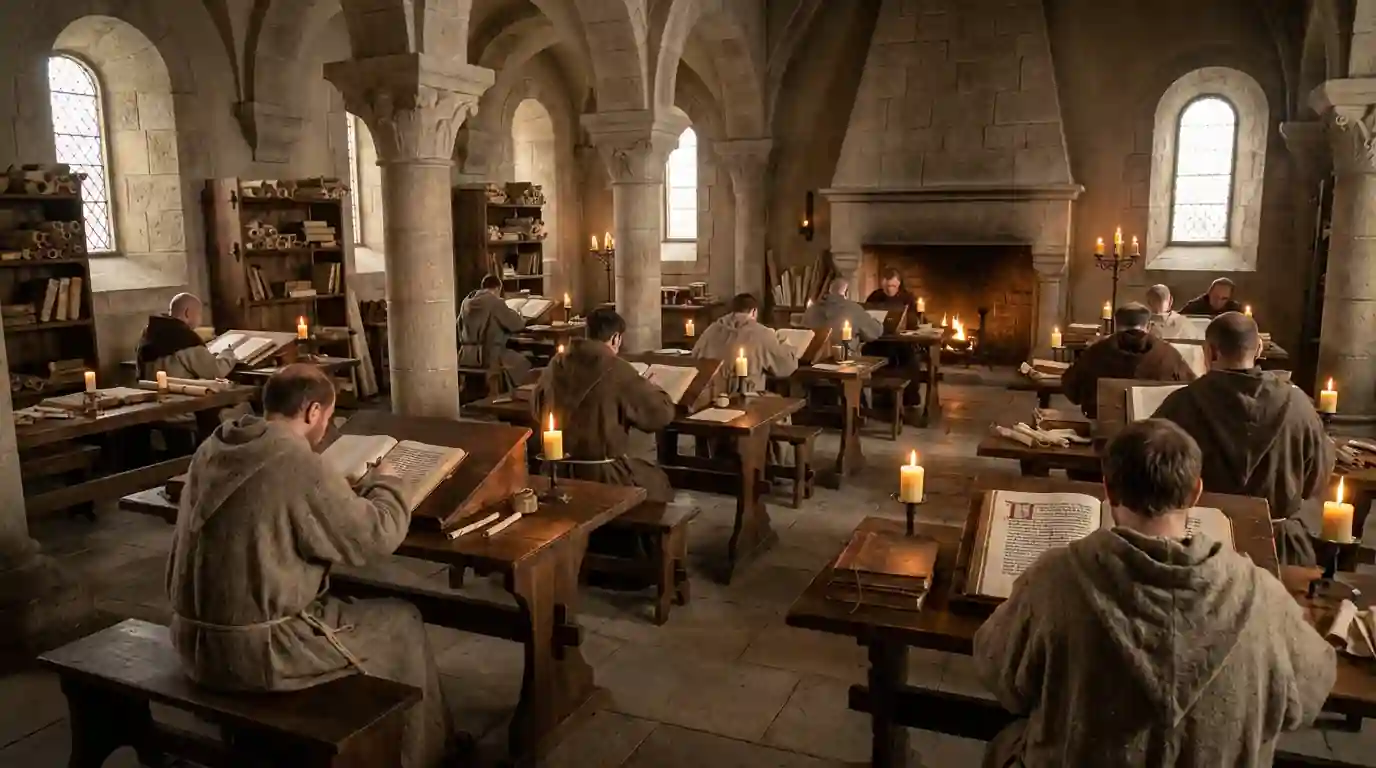
left by the emperors. Monasteries became the lonely flickering candles in a vast, dark landscape,
preserving fragments of knowledge that the rest of the world had forgotten how to read.
By the time the last Roman Emperor in the West was deposed, the landscape of Europe had
transformed into a patchwork of tribal territories and lawless frontiers. The great roads were reclaimed
by weeds and bandits, and the memory of the Pax Romana faded into myth. This was the birth of the Dark
Ages — a world frozen in a grim tableau of service and command, where the earth was soaked in the sweat
of the many and the blood of the few.
رومی سلطنت پر سورج کسی اچانک دھماکے کے ساتھ نہیں ڈوبا، بلکہ یہ ایک مرتے ہوئے دیو کے
حلق میں طویل اور تکلیف دہ سسکیاں تھیں جو صدیوں تک گونجتی رہیں۔ کئی سو سال تک بحیرہ روم ایک رومی جھیل کی
مانند رہا، جہاں پختہ سڑکیں، سنگِ مرمر کے چوک اور قانون کی باقاعدہ تال موجود تھی۔ لیکن پانچویں صدی تک وہ
تال ایک بے ہنگم چیخ میں بدل چکی تھی۔ ایک ایسی تہذیب کے نفسیاتی صدمے کا تصور کریں جسے یہ احساس ہو رہا ہو
کہ اس کا 'ابدی شہر' اب ابدی نہیں رہا۔ وہ پتھریلی دیواریں جو نسلوں سے ان کی محافظ تھیں، اندرونی بوسیدگی
اور ان لوگوں کے مسلسل دباؤ تلے ٹوٹ رہی تھیں جنہیں رومی وحشی یا 'باربیریئنز' کہتے تھے۔ جیسے ہی مرکزی طاقت
بخارات بن کر اڑی، اس کے ساتھ ہی تحفظ کا تصور بھی فنا ہو گیا۔ تجارت کے وہ پیچیدہ نظام جو افریقہ سے اناج
اور برطانیہ سے قلعی لاتے تھے، زمین بوس ہو گئے اور اپنے پیچھے ایک ہولناک خاموشی چھوڑ گئے۔
اس زوال کے نفسیاتی بوجھ کو الفاظ میں بیان کرنا ناممکن ہے۔ جب گوتھ اور وینڈل قبائل نے
شہر کے دروازے توڑے، تو انہوں نے صرف سونا نہیں لوٹا بلکہ اس نظم و ضبط کے احساس کو بھی لوٹ لیا جس نے معلوم
دنیا کو جوڑے رکھا تھا۔ روم، جو کبھی دس لاکھ نفوس کا شہر تھا، سنگِ مرمر کا ایک ایسا قبرستان بن گیا جہاں
سینیٹ کے کھنڈرات میں بکریاں چرتی تھیں۔ خوف اس نئی دنیا کا بنیادی معمار بن گیا۔ جب گوتھ اور وینڈل قبائل
نے شہر کے دروازے توڑے، تو انہوں نے صرف سونا نہیں لوٹا بلکہ اس نظم و ضبط کے احساس کو بھی لوٹ لیا جس نے
معلوم دنیا کو جوڑے رکھا تھا۔
⚔ ⚔ ⚔
Chapter II
The Early Middle Ages — Fear, Silence, and Survival
ابتدائی قرونِ وسطیٰ — خوف، خاموشی اور بقا
The centuries following the collapse of Rome were not merely a transition of power, but a
long, suffocating silence that fell over the European continent. As the great cities emptied and the
stone forums were reclaimed by moss and briar, the scale of human existence shrank to the distance a
person could walk in a single day. This was an era of profound isolation, where the horizon was not a
gateway to discovery but a source of constant, gnawing terror. The psychological landscape of the Early
Middle Ages was defined by a pervasive sense of vulnerability; without the shield of a centralized
state, every individual was a target, and every village was an island in a sea of predatory shadows. The
forests, which had once been managed and harvested by Roman engineers, grew thick, dark, and
impenetrable, becoming in the popular imagination the home of demons, outlaws, and the unknown.
The economic reality of this period was one of brutal regression, as the complex
machinery of currency and trade vanished, replaced by a primitive subsistence that tethered the human
soul to the dirt. Money became a memory, a relic of a lost golden age, as people reverted to bartering
grain for iron or labor for protection. The vast majority of the population became literal prisoners of
the soil, scratching out a meager living from exhausted earth with wooden plows that barely broke the
surface. Hunger was not an occasional visitor but a permanent resident at every hearth. A late frost or
a week of heavy rain was not a mere inconvenience; it was a death sentence for the entire community.
"In a world of wolves, the sheep must find a shepherd — no matter how cruel he may be."
Amidst this desolation, the concept of the "stranger" became synonymous with "enemy." The
breakdown of travel meant that someone born in one valley might never see the other side of the
neighboring hill. In this vacuum, the psychological need for order led to the slow crystallization of
local loyalties. Men pledged their lives to whoever could offer a wooden palisade and a band of armed
thugs to guard it. It was a dark bargain: a man gave up his freedom, his sweat, and his very identity in
exchange for the simple, desperate hope that he would not be murdered in his bed.
Yet, even in the depths of this silence, a new kind of social fabric was being woven from
the threads of shared misery and common faith. The village priest became the gatekeeper of the
supernatural, offering a ritualistic shield against the terrors of the night. The rituals of the faith
were not intellectual exercises but survival tools — prayers were whispered like incantations to keep
the plague away and to make the wheat grow.
روم کے زوال کے بعد آنے والی صدیاں محض اقتدار کی منتقلی نہیں تھیں، بلکہ ایک طویل اور دم
گھونٹنے والی خاموشی تھی جو پورے یورپی براعظم پر چھا گئی۔ جیسے ہی عظیم شہر خالی ہوئے اور سنگِ مرمر کے
چوکوں پر کائی اور جھاڑیوں نے قبضہ کر لیا، انسانی وجود کا دائرہ اتنا سکڑ گیا کہ وہ صرف ایک دن کی پیدل
مسافت تک محدود ہو کر رہ گیا۔ اس گہری تنہائی کے دور میں جنگل کا خوف تھا، رات کا خوف تھا، اور اجنبی کا خوف
تھا۔ طاقت کے اس خلا نے ہر قیمت پر تحفظ کی ایک تڑپ پیدا کی، جس نے ہزار سالہ غلامی کی بنیاد رکھی۔
اس دور کی معاشی حقیقت ایک ظالمانہ پسپائی تھی۔ پیسہ محض ایک یاد بن کر رہ گیا تھا اور
لوگ لوہے کے بدلے اناج یا تحفظ کے بدلے مشقت کا تبادلہ کرنے لگے۔ بھوک کسی کبھی کبھار آنے والے مہمان کی طرح
نہیں بلکہ ہر گھر کے چولہے پر ایک مستقل مقیم کی طرح براجمان تھی۔ موسم کی ذرا سی سختی یا ایک ہفتے کی مسلسل
بارش محض ایک پریشانی نہیں بلکہ پوری برادری کے لیے سزائے موت تھی۔
🏰 🏰 🏰
Chapter III
Feudalism — Land, Loyalty, and Human Chains
فیوڈل ازم — زمین، وفاداری اور انسانی زنجیریں
The chaos of the early centuries eventually congealed into a rigid, suffocating order
known as feudalism, a system not built on laws or constitutions, but on the raw, desperate exchange of
human flesh and labor for the promise of survival. It was a world of vertical chains, where every man
belonged to another, and the earth itself was the ultimate master. At the apex stood the king, a distant
and often symbolic figure, but the true pulse of power beat in the local manor. The psychological
foundation of this era was the "oath" — a sacred, terrifying bond sealed in the presence of God. When a
vassal knelt before his lord, placing his hands within the hands of a superior, he was not merely
signing a contract; he was surrendering his autonomy. He became "the lord's man."
The currency of this dark age was not gold, but land — the "fief." To own land was to
hold the power of life and death, and to work the land was to be a prisoner of the seasons and the
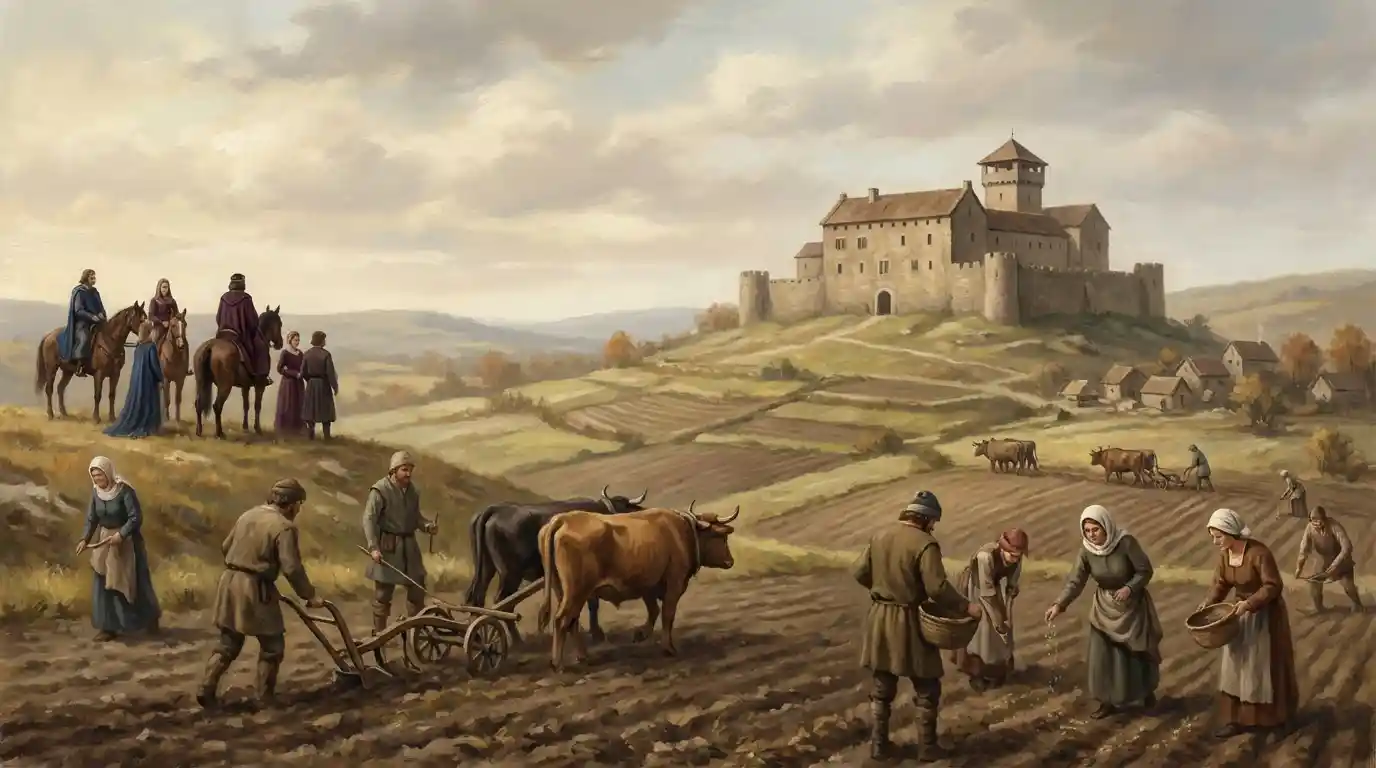
landlord's whim. Below the nobility and the knights existed the vast, silent sea of the peasantry,
specifically the serfs. A serf was not technically a slave, yet he was bound to the soil by invisible
shackles. He could not marry, move, or even grind his own grain without the permission of the lord.
"The peasant did not obey out of love, but out of a primal, ancestral fear of the violence that lived
in the castle on the hill."
Violence was the primary language of the feudal elite. The knights were in reality the
enforcers of this rigid hierarchy — iron-clad predators whose social function was the professional
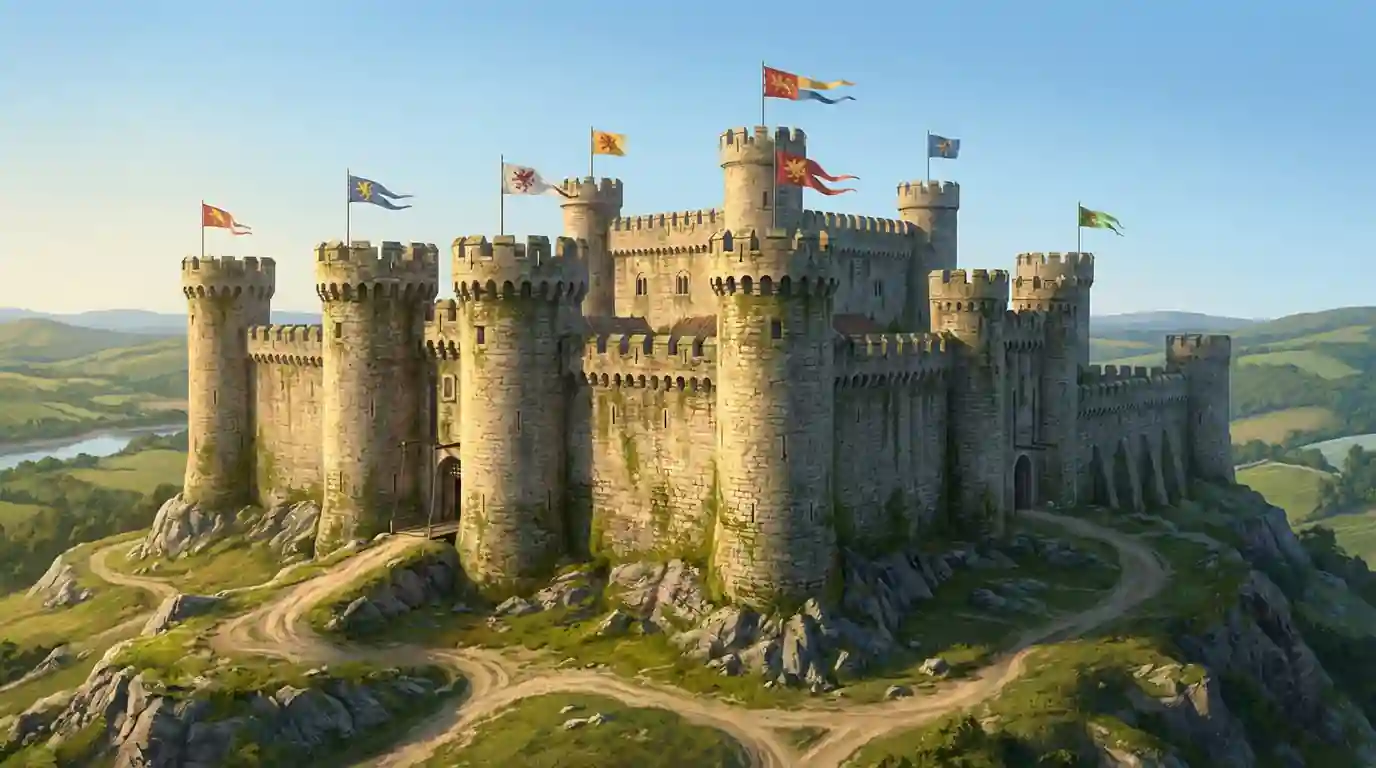
application of force. The castle was not a place of beauty, but a grim machine of war, a stone statement
of dominance that loomed over the landscape. This created a culture of perpetual tension and petty
warfare, where the burning of a rival's crops and the slaughter of his tenants were standard tactical
maneuvers.
The spiritual weight of feudalism was reinforced by the Church, which sanctified this
inequality as the "Great Chain of Being." The priests taught that God had ordained some to pray, some to
fight, and some to work. To rebel against one's lord was to rebel against the Creator Himself. This
divine endorsement of servitude created a profound psychological trap; the misery of the present was
portrayed as a necessary preparation for the glories of the next world.
ابتدائی صدیوں کا انتشار آخر کار ایک سخت اور دم گھونٹنے والے نظم و ضبط میں بدل گیا جسے
'فیوڈل ازم' یا نظامِ جاگیرداری کہا جاتا ہے۔ یہ نظام قوانین یا دساتیر پر نہیں، بلکہ بقا کے وعدے کے بدلے
انسانی گوشت اور مشقت کے خام اور مایوس کن تبادلے پر مبنی تھا۔ یہ عمودی زنجیروں کی دنیا تھی، جہاں ہر انسان
کسی دوسرے کی ملکیت تھا، اور زمین خود اصل آقا تھی۔ اس دور کی نفسیاتی بنیاد 'حلف' تھا—ایک مقدس اور ہولناک
بندھن جس پر خدا کی موجودگی میں مہر لگائی جاتی تھی۔
اس تاریک دور کی کرنسی سونا نہیں بلکہ زمین تھی۔ زمین کا مالک ہونا زندگی اور موت کا
اختیار رکھنا تھا۔ کسان محبت کی وجہ سے اطاعت نہیں کرتا تھا، بلکہ اس کے اندر اس تشدد کا ایک قدیم اور
موروثی خوف بسا ہوا تھا جو پہاڑی پر بنے قلعے میں مقیم تھا۔ فیوڈل ازم کے روحانی بوجھ کو کلیسا نے مزید
تقویت دی، جس نے اس عدم مساوات کو 'عظیم زنجیرِ وجود' کے نام سے مقدس قرار دیا۔
⚜ ⚜ ⚜
Chapter IV
Peasants, Lords, Women, and Daily Medieval Life
کسان، امرا، خواتین اور قرونِ وسطیٰ کی روزمرہ زندگی
To understand the daily existence of the medieval soul, one must first discard all
notions of privacy and comfort. Life was a communal struggle, a symphony of grime and shared breath
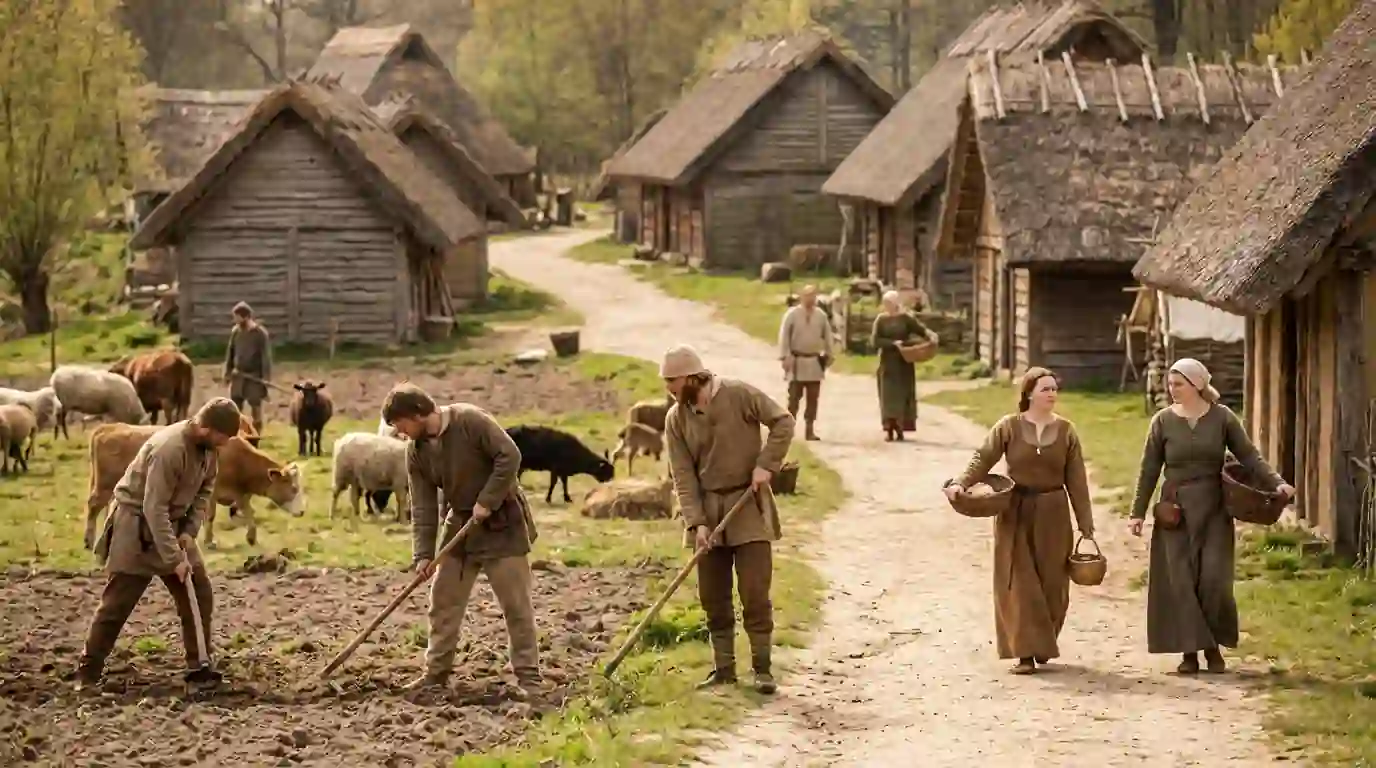
played out in the claustrophobic confines of the village and the manor. For the peasant, the day began
before the sun, in a one-room hovel where humans slept alongside their livestock for warmth. The air
inside was a thick, acrid soup of woodsmoke, animal musk, and unwashed bodies. There was no "individual"
life; every meal was shared from a common pot, and every movement was watched by neighbors and kin.
Women, regardless of their rank, lived within a cage of patriarchy that was justified by
both law and scripture. A peasant woman's life was an exhausting marathon of dual labor: she worked the
fields alongside the men and then returned home to manage the hearth, the garden, and the endless cycle
of pregnancy and child-rearing. Infant mortality was a ghost that haunted every cradle; to be a mother
was to be in a state of perpetual mourning. For noblewomen, the cage was made of silk but no less
restrictive. They were diplomatic currency, traded in marriage to cement alliances between warring
houses.
"A thunderstorm was the wrath of God; a good harvest was His fleeting smile. Every bird's flight and
every deformity of birth was an omen to be deciphered."
The connective tissue of this society was a deep, unshakeable belief in the physical
presence of the supernatural. For both peasant and lord, the devil was not a metaphor; he was a
neighbor. He was in the blight on the wheat, the sudden fever of a child, and the shadows of the deep
woods. This shared terror created a culture of extreme ritualism. Every action, from baking bread to
planting seeds, was accompanied by signs of the cross and muttered charms. The medieval mind did not
distinguish between the natural and the spiritual.
قرونِ وسطیٰ کے انسان کی روزمرہ کی زندگی کو سمجھنے کے لیے سب سے پہلے رازداری اور آرام
کے تمام تصورات کو ذہن سے نکالنا ہوگا۔ زندگی ایک اجتماعی جدوجہد تھی۔ کسان کے لیے دن کا آغاز سورج نکلنے سے
پہلے ایک ایسے کمرے کے جھونپڑے میں ہوتا تھا جہاں انسان گرمائش کے لیے اپنے مویشیوں کے ساتھ سوتے تھے۔ اندر
کی ہوا لکڑی کے دھوئیں، جانوروں کی بو اور بغیر نہائے ہوئے جسموں کا ایک گاڑھا اور کڑوا آمیزہ ہوتی تھی۔
کوئی "انفرادی" زندگی نہیں تھی۔
خواتین، چاہے وہ کسی بھی طبقے سے ہوں، پدر شاہی کے ایک ایسے قید خانے میں رہتی تھیں جس کا
جواز قانون اور مذہب دونوں سے دیا جاتا تھا۔ بچوں کی اموات کا سایہ ہر پالنے پر منڈلاتا رہتا تھا؛ ماں بننے
کا مطلب مستقل سوگ کی حالت میں رہنا تھا۔ اس معاشرے کو جوڑنے والی اصل چیز مافوق الفطرت قوتوں کی موجودگی پر
ایک گہرا اور غیر متزلزل یقین تھا۔ گرج چمک خدا کا غضب تھی اور اچھی فصل اس کی عارضی مسکراہٹ۔
⚔ 🏰 ⚔
Chapter V
Knights, Warfare, Castles, and Endless Violence
نائٹس، جنگ و جدل، قلعے اور لامتناہی تشدد
To imagine the medieval knight is to strip away the polished chrome of Victorian romance
and look instead upon a jagged, iron-clad engine of destruction. The knight was the apex predator of a
society built on the threat of force, a man whose entire psychological identity was forged in the art of
killing. From the age of seven, a boy of the noble class was removed from the comforts of home and
thrust into a world of physical pain and martial discipline. Chivalry, often misunderstood as a code of
kindness, was in reality a pragmatic set of rules designed to prevent these professional killers from
destroying their own class.
Siege warfare was the true face of medieval conflict, a slow, agonizing process of
starvation and psychological terror rather than the glorious clashes depicted in tapestries. A siege was
a test of endurance where the defenders ate rats and boiled leather while the attackers launched rotting
carcasses and filth over the walls to spread disease. In this world, violence was not a breakdown of
order; it was the order itself.
"The medieval world was a theatre of iron, where the script was written in wounds and the audience
was a terrified populace praying for a savior who would not arrive with a sword."
The technology of death in this era was intimate and brutal. Before the advent of
gunpowder, killing required looking into a man's eyes and feeling the resistance of his bone against a
blade. Men drowned in mud, suffocated in their own helmets, or were crushed by the weight of falling
horses. The psychological aftermath of such carnage was a society haunted by what we would now recognize
as profound trauma. The knight was ultimately a prisoner of his own status. His armor was a cage that
protected his body but isolated his humanity.
قرونِ وسطیٰ کے نائٹ کا تصور کرنے کے لیے ضروری ہے کہ وکٹوریہ دور کے رومانوی رنگوں کو
کھرچ کر اس کی جگہ تباہی کی ایک نوکیلی اور لوہے میں لپٹی ہوئی مشین کو دیکھا جائے۔ نائٹ ایک ایسے معاشرے کا
سب سے بڑا شکاری تھا جو طاقت کے زور پر کھڑا تھا۔ محاصرے کی جنگ قرونِ وسطیٰ کے تنازعات کا اصل چہرہ تھی،
جہاں قلعہ بند لوگ چوہے کھانے اور چمڑا ابال کر پینے پر مجبور ہو جاتے، جبکہ حملہ آور دیواروں کے اوپر سے
سڑے ہوئے جانوروں کی لاشیں پھینکتے تاکہ بیماریاں پھیل سکیں۔
✝ ✝ ✝
Chapter VI
The Medieval Church — Faith, Fear, and Control
قرونِ وسطیٰ کا کلیسا — ایمان، خوف اور اختیار
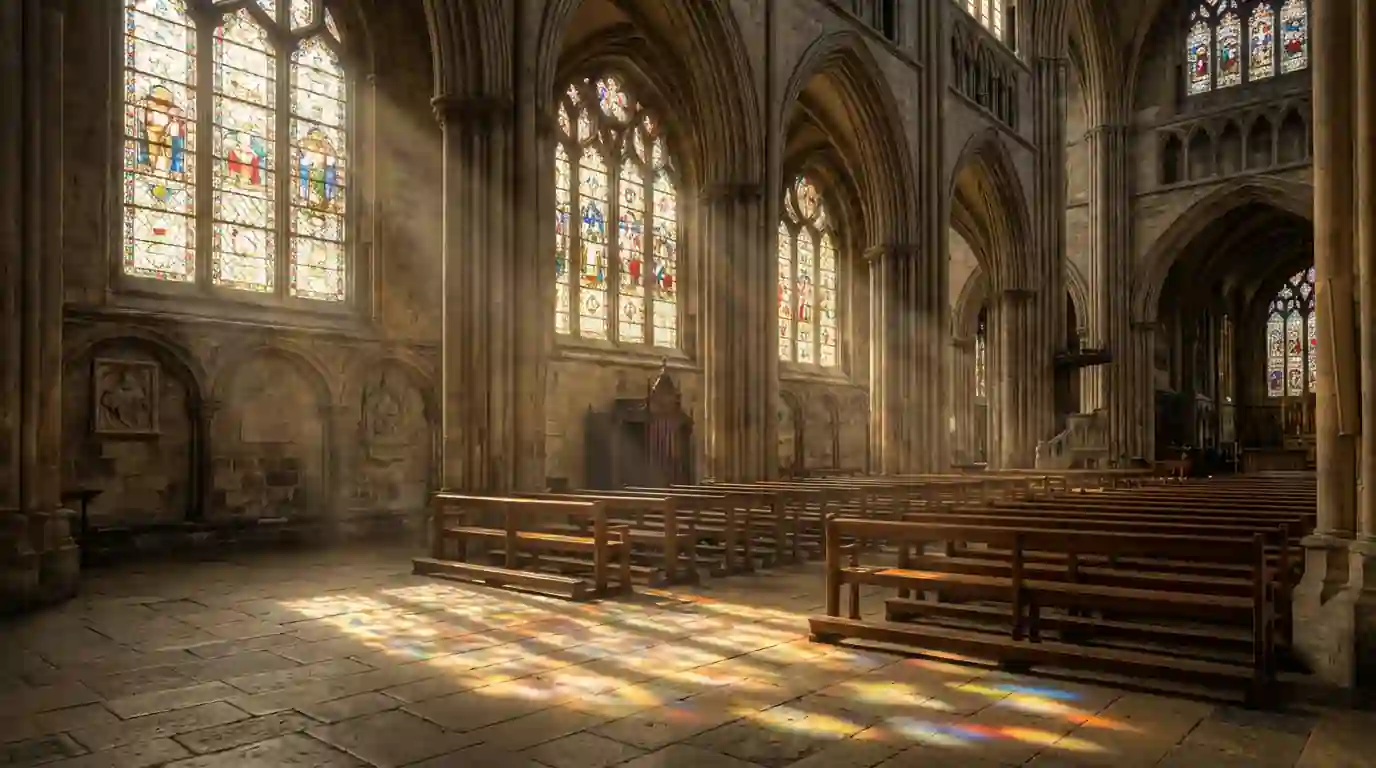
The medieval Church was not merely a religious institution; it was the atmosphere itself,
an invisible and inescapable cage that defined the limits of human thought from the cradle to the grave.
In a world of physical insecurity and political fragmentation, the Church stood as the only monolithic
power, a sprawling spiritual empire that claimed jurisdiction not just over the kingdoms of earth, but
over the eternal fate of the soul. The psychological dominance of the Church rested on a foundation of
absolute terror — the fear of Hell. To the medieval mind, the afterlife was more real than the damp soil
beneath their feet. The Church held the only keys to salvation, and this monopoly on the afterlife gave
it an authority that made kings tremble.
The architecture of this control was woven into the very fabric of daily life through the
concept of sin and the mechanism of confession. The Church possessed an intimate knowledge of the
secrets of every soul, from the lowliest serf to the proudest monarch. This created a culture of
perpetual surveillance. To be excommunicated was to be socially and spiritually dead; a person so marked
was stripped of all legal rights, shunned by their neighbors, and denied the hope of heaven.
"The tragedy of the medieval Church lay in its duality: it was both the light of the world and the
darkness that stifled it."
Yet, the Church was also a place of profound, haunting beauty and the only sanctuary of
intellectual life in a brutal age. Behind the high walls of monasteries, monks labored in silence, their
quills scratching across vellum to preserve the tattered remnants of human knowledge. For many,
especially women, the Church offered the only alternative to a life of forced marriage and endless
childbirth. By the high Middle Ages, the Church had become a state above states, a financial and
political juggernaut that could topple emperors and summon armies to holy war.
قرونِ وسطیٰ کا کلیسا محض ایک مذہبی ادارہ نہیں تھا؛ یہ خود ایک فضا تھی، ایک غیر مرئی
اور ناگزیر قید خانہ جس نے پالنے سے لے کر قبر تک انسانی فکر کی حدود متعین کر دی تھیں۔ کلیسا کا نفسیاتی
غلبہ ایک مطلق ہولناکی کی بنیاد پر قائم تھا—اور وہ تھا جہنم کا خوف۔ کلیسا کے پاس نجات کی واحد چابیاں
تھیں، اور آخرت پر اس اجارہ داری نے اسے وہ اختیار دیا کہ بادشاہ بھی اس کے سامنے تھر تھر کانپتے تھے۔ قرونِ
وسطیٰ کے کلیسا کا المیہ اس کی دوئی میں تھا: وہ دنیا کی روشنی بھی تھا اور وہ تاریکی بھی جس نے اس کا دم
گھونٹ دیا۔
☪ ✝ ✡
Chapter VII
The Crusades — Holy War and Human Blood
صلیبی جنگیں — مقدس جنگ اور انسانی خون
The Crusades were the moment the psychological pressure of the medieval world finally
boiled over, transforming the quiet desperation of Europe into a frantic, bloody pilgrimage toward the
East. It began not with a tactical military plan, but with a cry: "Deus vult" — God wills it. This
phrase acted as a psychic spark, igniting a continent that had been turning inward for centuries. The
Pope's call to reclaim Jerusalem offered something the medieval soul craved above all else: an absolute
washing away of sin through the act of sanctified slaughter. By the time they reached the walls of
Jerusalem in 1099, the line between holy devotion and primal savagery had vanished entirely.
The experience of the Crusader was a brutal collision between fantasy and reality. In the
East, they encountered a civilization far more sophisticated, scientific, and urbanized than their own.
The "infidel" they had been told was a demon was, in fact, a scholar, a builder, and a warrior of equal
or superior skill. The psychological toll of the Crusades was a permanent hardening of religious
identity, turning faith into a jagged frontier. The cycles of conquest and recapture lasted for two
centuries, creating a landscape of scarred earth and massive stone fortresses, where the primary
currency was human blood and the dividend was a legacy of bitterness that would echo through the
millennium.
"Nothing is more dangerous than a man who believes his sword is guided by the hand of God."
The failure of later Crusades led to a crisis of faith and a redirection of violence. If
God did not grant victory in the East, the reasoning went, it must be because of "impurity" at home.
This logic fueled horrific pogroms against Jewish communities and the brutal suppression of "heretics"
within Europe's own borders. The Crusades proved that they failed in their stated goal to hold the Holy
Land, but succeeded in breaking the isolation of the West — sowing the seeds of the very intellectual
awakening that would eventually challenge the Church's monopoly on truth.
صلیبی جنگیں وہ لمحہ تھیں جب قرونِ وسطیٰ کی دنیا کا نفسیاتی دباؤ بالآخر پھٹ پڑا، اور
یورپ کی خاموش مایوسی مشرق کی طرف ایک ہیجان خیز اور خونی ہجرت میں بدل گئی۔ اس کا آغاز ایک نعرے سے ہوا:
"خدا یہی چاہتا ہے"۔ صلیبی جنگوں نے ثابت کیا کہ اس شخص سے زیادہ خطرناک کوئی نہیں جو یہ مانتا ہو کہ اس کی
تلوار خدا کے ہاتھ میں ہے۔ صلیبی جنگوں کی میراث عظیم الشان ناکامی اور حادثاتی تبدیلی کی ایک داستان ہے۔
📜 📜 📜
Chapter VIII
Trade, Cities, Knowledge, and Slow Awakening
تجارت، شہر، علم اور سست روی سے بیدار ہوتا شعور
As the dust of the Crusades began to settle, a subtle but irreversible tremor ran through
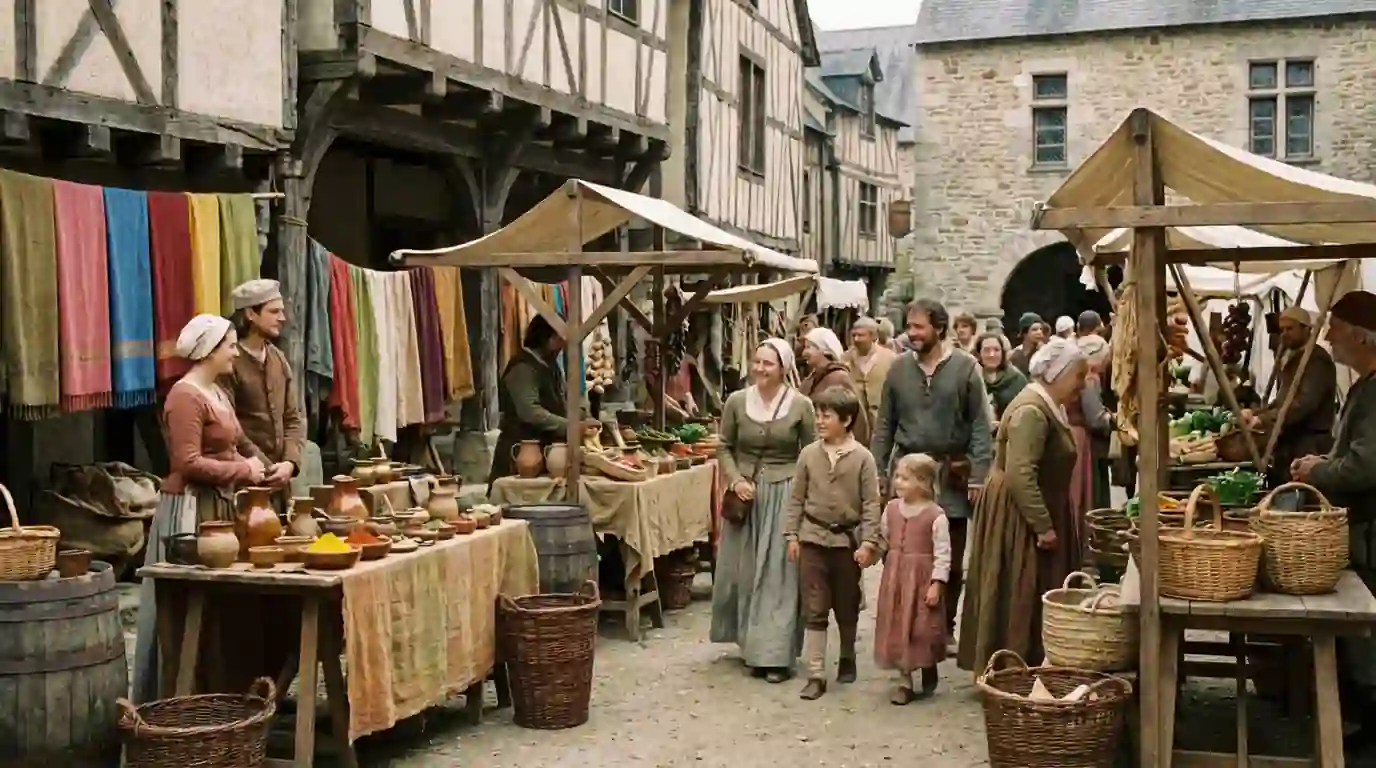
the frozen foundations of the medieval world. Trade routes that had been reclaimed by nature were
cleared once more, connecting the damp villages of the north to the sophisticated ports of the south.
With goods — pepper, silk, and citrus — came something far more subversive: ideas. For the first time in
centuries, the medieval mind was forced to look beyond the horizon not with fear, but with curiosity.
This was the birth of a new class of people who belonged neither to the soil nor to the sword: the
"burghers," the inhabitants of the rising cities who traded in coin rather than oaths.
Cities like Venice, Florence, Bruges, and Paris became magnets for the restless and the
desperate, offering a radical promise: "City air makes you free." The rigid feudal hierarchy began to
fray at the edges; a man's worth was increasingly measured by his ledger rather than his lineage. As
wealth flowed, the thirst for knowledge followed, leading to the founding of the first universities.
Scholars began to rediscover the logic of Aristotle and the geometry of Euclid, often through
translations provided by the very Islamic civilizations they had so recently fought.
"The compass, the mechanical clock, and the windmill were symbols of a humanity that was learning to
master its environment rather than merely enduring it."
This awakening was not a peaceful transition — it was a period of immense friction
between the old guard and the new world. To think for oneself was to risk the stake; to trade across
borders was to risk the pirate or the plague. Yet, the momentum was unstoppable. As the 14th century
approached, the people of Europe stood on that bridge, unaware that they were about to walk into the
greatest catastrophe the world had ever known.
جیسے ہی صلیبی جنگوں کی دھول بیٹھنا شروع ہوئی، قرونِ وسطیٰ کی دنیا کی منجمد بنیادوں میں
ایک ہلکی لیکن ناقابلِ واپسی لرزش پیدا ہوئی۔ ان اشیاء کے ساتھ ایک ایسی چیز آئی جو کہیں زیادہ خطرناک تھی:
خیالات۔ صدیوں میں پہلی بار، قرونِ وسطیٰ کا ذہن افق سے پرے دیکھنے پر مجبور ہوا، اور اس بار یہ نظر خوف سے
نہیں بلکہ تجسس سے بھرپور تھی۔ شہروں کی دوبارہ پیدائش انسانی جغرافیہ میں ایک انقلاب تھا۔ یہ ہومنزم یا
انسانیت پسندی کی سحر تھی۔
💀 💀 💀
Chapter IX
The Black Death — When Death Ruled Everything
سیاہ موت — جب ہر شے پر موت کی حکمرانی تھی
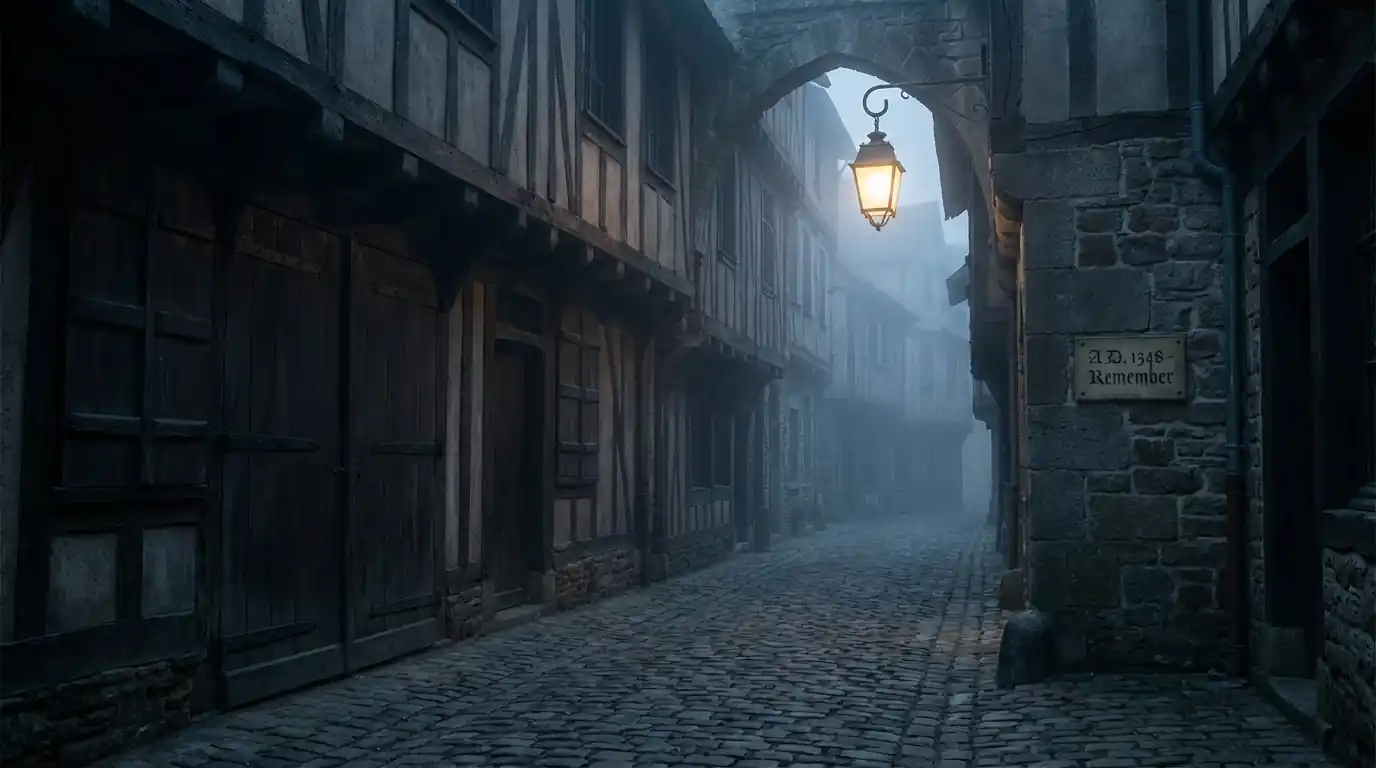
In the middle of the 14th century, the world did not just change; it ended. The Black
Death was not a mere epidemic; it was an existential apocalypse that shattered the medieval psyche more
profoundly than any war or famine ever could. It arrived from the East on the backs of fleas and rats,
hitching a ride on the very trade routes that had promised a new era of prosperity. Within months, the
vibrant, awakening cities became charnel houses. The psychological horror of the plague lay in its utter
randomness and its gruesome intimacy. A healthy man could wake up with a painful swelling in his groin
or armpit — the dreaded bubo — and be a corpse by sunset. Medicine was useless, and prayer was met with
a deafening silence from the heavens.
The scale of the carnage was beyond comprehension, claiming nearly half the population of
Europe. The peasant, who had been told for centuries that his servitude was the will of God, looked
around and saw that the plague took the noble and the priest just as readily as the beggar. Death was
the ultimate democratizer. This realization sparked a terrifying new psychological landscape: if life
was this cheap and God was this indifferent, why obey the old laws?
"The Black Death, in its brutal harvesting of life, inadvertently cleared the ground for the birth of
the middle class and the eventual rise of a more individualistic society."
Yet, from the ashes of this demographic catastrophe, a new and unexpected world began to
crawl. Because there were so few people left to work the land, the value of human labor skyrocketed. The
survivors suddenly found themselves in possession of a leverage they had never known. The "human chains"
of feudalism were snapped by the sheer shortage of hands. The Church, having failed to stop the
pestilence, saw its absolute prestige wither. People began to look for God outside the institutional
walls, leading to a more personal, internalized faith that would eventually pave the way for the
Reformation.
چودہویں صدی کے وسط میں، دنیا صرف بدلی نہیں تھی؛ بلکہ ختم ہو گئی تھی۔ 'سیاہ موت' یا
طاعون محض ایک وبا نہیں تھی؛ یہ ایک وجودی قیامت تھی۔ اس وبا کی نفسیاتی ہولناکی اس کی مکمل بے ترتیبی اور
اس کی گھناؤنی قربت میں تھی۔ ایک صحت مند شخص صبح کو اپنی ران یا بغل میں ایک تکلیف دہ سوجن کے ساتھ بیدار
ہو سکتا تھا اور غروبِ آفتاب تک ایک لاش بن جاتا تھا۔ طب بے کار تھی، اور دعاؤں کا جواب آسمانوں سے ایک بہری
خاموشی کی صورت میں مل رہا تھا۔ موت سب سے بڑی منصف ثابت ہوئی۔
تاہم، اس آبادیاتی تباہی کی راکھ سے ایک نئی اور غیر متوقع دنیا نے جنم لینا شروع کیا۔
سیاہ موت نے، زندگیوں کی ظالمانہ کٹائی کے دوران، نادانستہ طور پر متوسط طبقے کی پیدائش کے لیے زمین ہموار
کر دی۔ قرونِ وسطیٰ اجتماعی بقا کی ایک داستان تھی، لیکن سیاہ موت نے فرد کو جنم دیا، جو کھنڈرات کے درمیان
تنہا کھڑا تھا، ایک ایسی دنیا کو دوبارہ تعمیر کرنے کے لیے تیار جو اب ماضی کے دیوتاؤں کی ملکیت نہیں رہی
تھی۔
🌅 🌅 🌅
Chapter X
The End of the Middle Ages and Birth of the Modern World
قرونِ وسطیٰ کا اختتام اور جدید دنیا کا جنم
The transition out of the Middle Ages was not a quiet exit, but a violent, spectacular
dissolution of everything the medieval mind had held sacred. The invention of the printing press by
Gutenberg acted as a mental wildfire, stripping the clergy of their monopoly on the Word of God and
placing the power of interpretation into the hands of the individual. For the first time, ideas traveled
faster than a horse, and the silence of the peasant was replaced by the clamor of a literate public.
This was the birth of the modern ego — a shift from a world where one's destiny was written in the stars
to one where it was forged by the printing press and the counting house.
The final death of the feudal order was announced by the thunder of gunpowder. The
castle, which had stood for half a millennium as an unassailable symbol of dominance, was rendered
obsolete by the cannon. The knight became a target for the lowliest conscript with a musket.
Simultaneously, the voyages of discovery shattered the medieval map. The realization that entire
continents existed beyond the Atlantic — lands never mentioned in the Bible — created an intellectual
vacuum that faith alone could no longer fill.
"The Middle Ages were a story of collective survival, but the Black Death forced the birth of the
individual — standing alone amidst the ruins, ready to rebuild a world that no longer belonged to
the gods of the past."
The Renaissance, blooming in the wealthy cities of Italy, turned the human gaze toward
the beauty of the physical form and the power of human reason. Humanity was no longer a fallen creature
crawling through the mud of a dark world, but the "measure of all things." As the last stone of the
medieval age fell, the modern individual stood amidst the ruins, looking toward a future of infinite
possibility and infinite danger. The story of the Middle Ages remains the story of the human spirit's
capacity to endure the darkness until it finds the strength to create its own light.
قرونِ وسطیٰ سے نکلنے کا عمل کوئی خاموش رخصتی نہیں تھی، بلکہ ان تمام چیزوں کا ایک
پرتشدد اور حیرت انگیز خاتمہ تھا جنہیں قرونِ وسطیٰ کے ذہن نے مقدس مانا تھا۔ گٹنبرگ کے پرنٹنگ پریس کی
ایجاد نے ایک ذہنی جنگل کی آگ کا کام کیا، جس نے پادریوں سے خدا کے کلام پر ان کی اجارہ داری چھین لی اور
تشریح کی طاقت فرد کے ہاتھوں میں دے دی۔ جاگیرداری نظام کی حتمی موت کا اعلان بارود کی گھن گرج نے کیا۔ جیسے
ہی قرونِ وسطیٰ کا آخری پتھر گرا، جدید فرد کھنڈرات کے درمیان کھڑا تھا، ایک ایسے مستقبل کی طرف دیکھ رہا
تھا جو لامتناہی امکانات اور لامتناہی خطرات سے بھرپور تھا۔ قرونِ وسطیٰ کی داستان درحقیقت انسانی روح کی اس
صلاحیت کی داستان ہے جو تاریکی کو اس وقت تک برداشت کرتی ہے جب تک کہ وہ اپنی روشنی خود پیدا کرنے کی طاقت
حاصل نہ کر لے۔
.webp)